


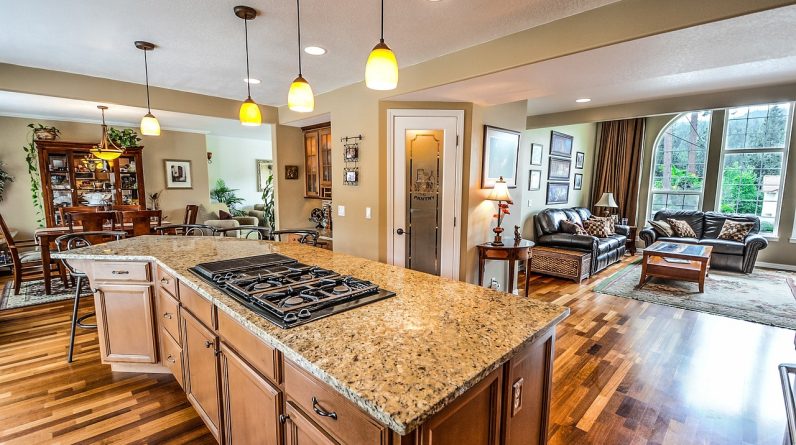
Choosing the right lighting for a kitchen design is one of the most overlooked decisions in a remodel, yet it can completely transform how the space looks, feels, and functions. A beautiful kitchen with poor lighting will always feel unfinished. On the other hand, the right lighting can make even a modest kitchen feel luxurious, warm, and highly functional.
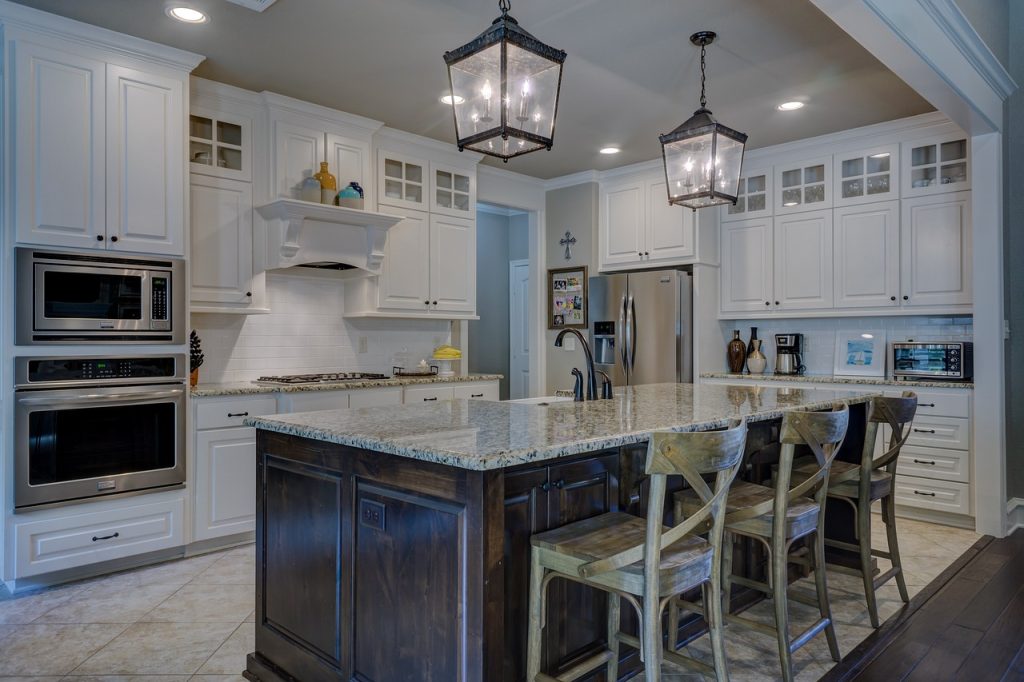 The biggest mistake homeowners make is relying on a single ceiling fixture. Kitchens are workspaces, gathering places, and showpieces all at once. That means your lighting needs layers.
The first layer is ambient lighting. This is your general illumination that fills the room. Recessed LED can lights are one of the most popular choices because they provide clean, even light without cluttering the ceiling. Flush mounts and modern chandeliers can also work well, depending on the kitchen style. The goal is to eliminate dark corners and create balanced brightness throughout the room.
The second layer is task lighting, where functionality becomes critical. Kitchens are full of detailed activities like chopping vegetables, reading recipes, cooking, and cleaning. Under-cabinet lighting is one of the smartest investments you can make because it directly illuminates countertops where work happens. Without it, your upper cabinets cast shadows exactly where you need light the most.
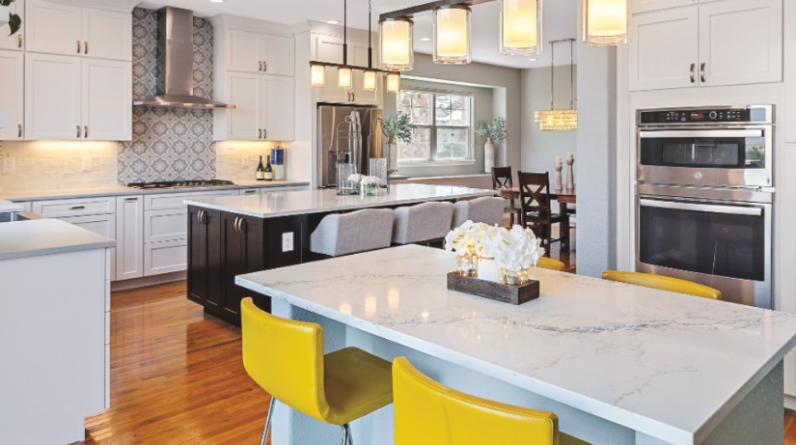
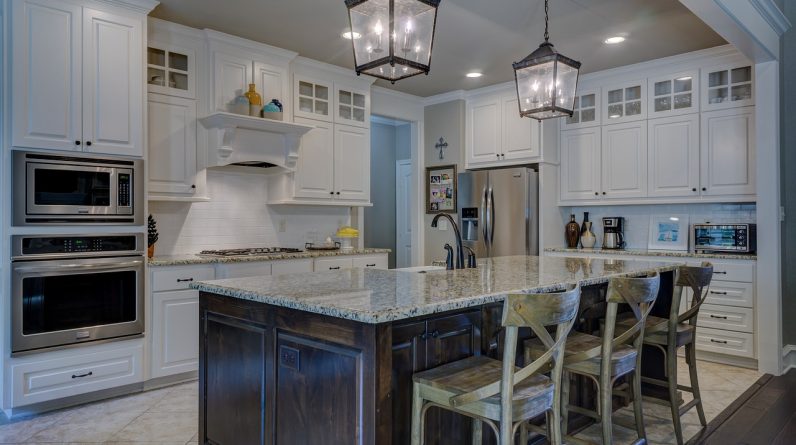
Pendant lighting over islands has become both functional and decorative. A well-designed island with two or three pendants instantly creates a focal point. However, scale matters. Oversized fixtures in a small kitchen can overwhelm the room, while tiny pendants over a large island can look disconnected. The spacing and height must also be correct. Typically, pendants should hang about 30 to 36 inches above the countertop.
The third layer is accent lighting. This is what gives kitchens personality and depth. Toe-kick lighting, cabinet interior lighting, and lighting above cabinets can create a high-end custom look. Accent lighting adds atmosphere in the evenings and helps the kitchen transition from a workspace to an entertaining space.
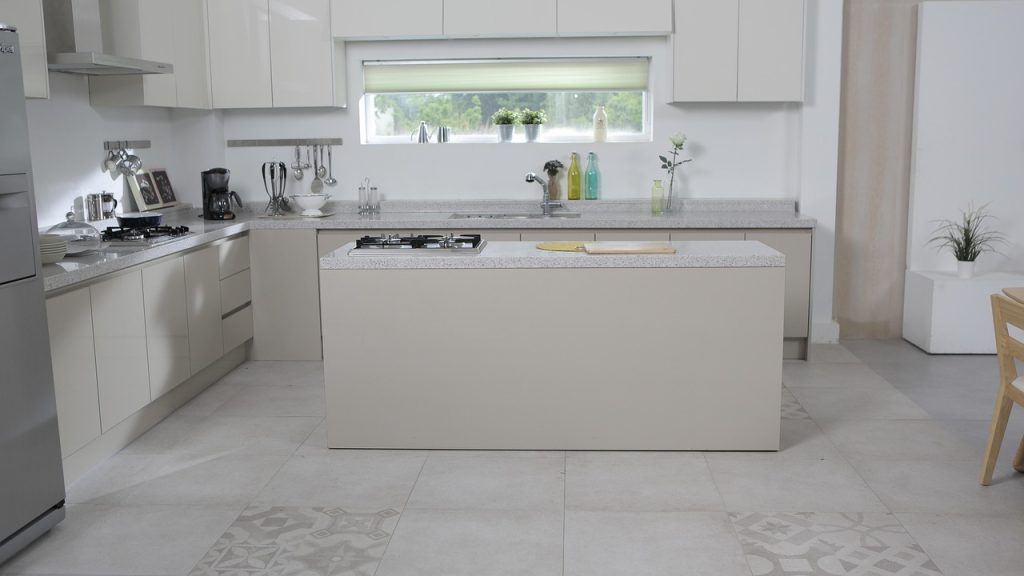 Color temperature is another major factor that people underestimate. Bright white lighting may seem modern, but if it is too cool, the kitchen can feel sterile and uncomfortable. Warm white LEDs in the 2700K to 3000K range usually create the most inviting environment for residential kitchens. Cooler temperatures may work better in ultra-modern spaces, but most homeowners prefer warmth and comfort.
Dimmer switches are another game-changer. They allow the kitchen to adapt throughout the day. Bright lighting may be perfect for meal prep, while softer lighting creates a relaxed mood for dinner or late-night conversations around the island.
Natural light should also influence your lighting plan. A kitchen with large windows and abundant daylight will require a different strategy than a darker kitchen with limited sunlight. The best designs work with natural light rather than competing against it.
At the end of the day, great kitchen lighting is about balance. It should be beautiful without sacrificing function. It should highlight the design while making everyday tasks easier. When lighting is planned correctly, the kitchen does not just look better — it feels better. And that is what truly turns a kitchen into the heart of the home.